Rubber Roofing in South Brunswick, NJ
South Brunswick Roofing Pros installs rubber roofing on the flat and low-slope sections that take on water every storm season. A fully adhered EPDM membrane seals the decking before Nor'easter rain or a summer thunderstorm can seep inside. Call 7323841596 for a free roof estimate, and we will tell you plainly whether a rubber system fits your roof.
Call 7323841596
Rubber roofing means EPDM, a single-ply membrane that arrives in wide sheets and bonds to the roof deck. We roll it out, cut it to the eave, and hand-seal each seam with splice adhesive and a roller.
The substrate has to be sound first. We strip any blistered built-up roof or dried-out modified bitumen down to the plywood or OSB sheathing, then replace soft decking and check the rafters for rot.
Layer to layer, that old assembly might be tar and felt, or a modified bitumen cap over asphalt. The rubber is the waterproofing layer; the flashing detail is the weatherproofing that keeps wind-driven rain out.
Where the old cover is still tight, we recover it and lay rubber over a separator sheet. That skips the tear-off and the dumpster, but it adds weight your framing has to carry.
Cost moves with square footage, how much sheathing we replace, and how much flashing we rebuild. Sections under a 3/12 pitch on mid-century ranch and split-level homes from the 1950s-1970s are our most common call.
Newer colonial and townhouse developments from the 1990s-2020s have flat garage sections with the same problem. Older farmhouses and historic homes from the 18th-19th centuries usually need a low-slope porch roof handled.
We also service the wood shake, cedar shake, slate, clay tile, and concrete tile slopes that tie into the flat work. Mansard and gambrel roofs, dormers, skylights, and an awning or canopy over a doorway all need fresh flashing.
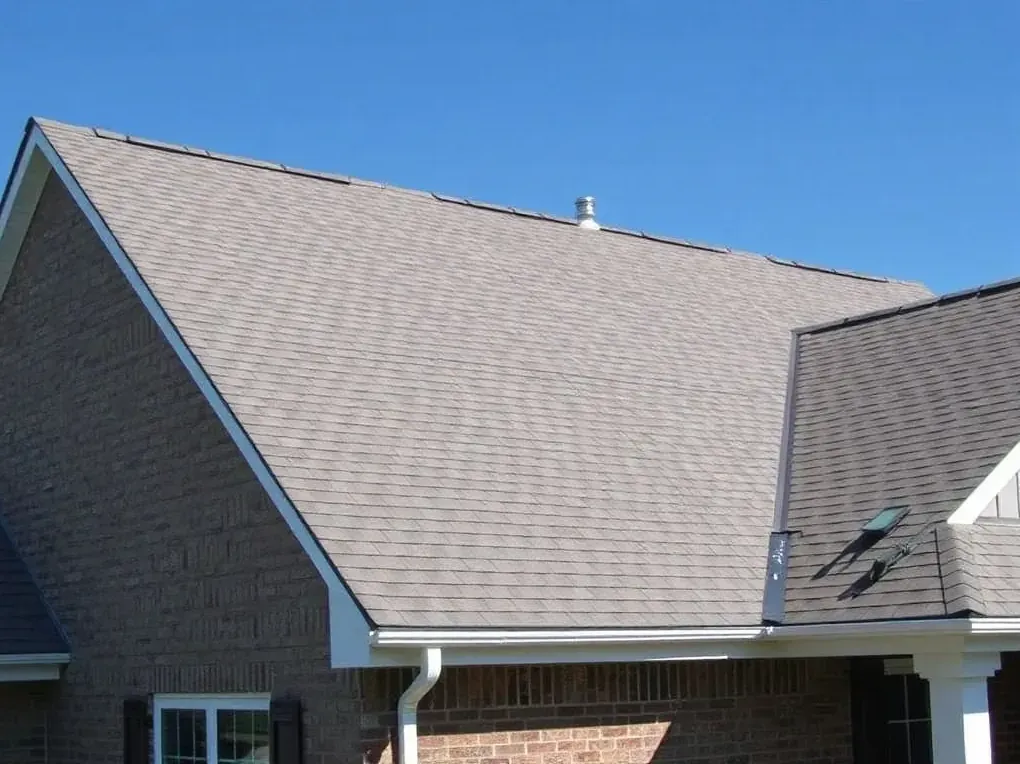
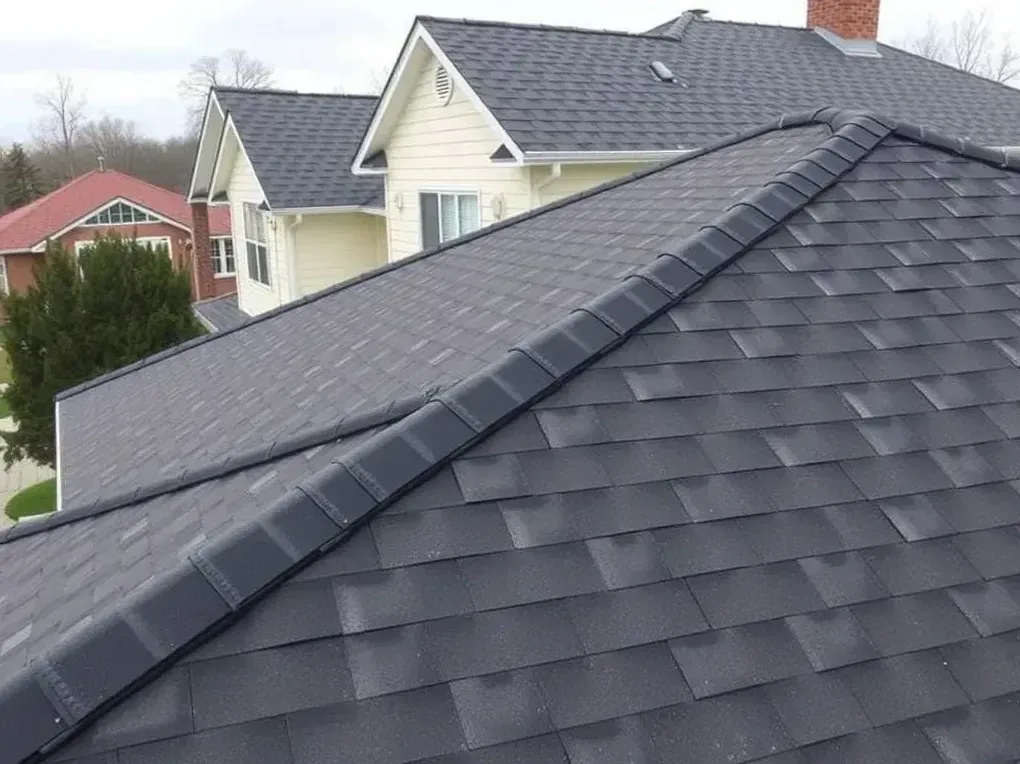
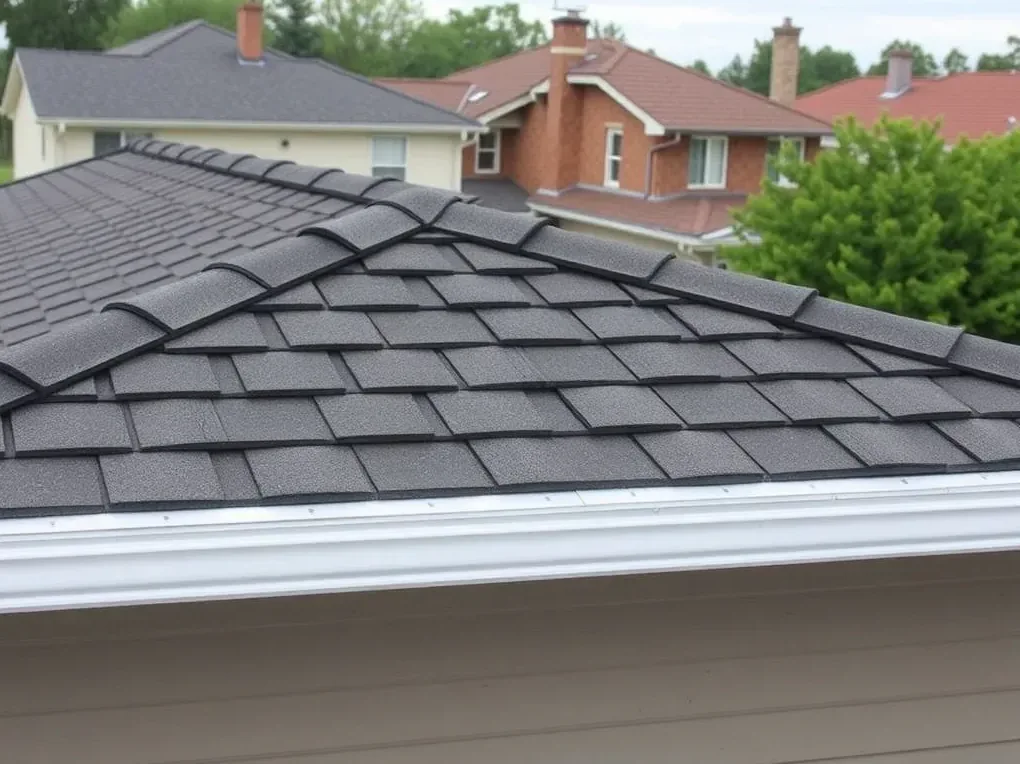
Hip and gable ends, the rake and verge edges, the ridge cap, and the overhang all get a close look. We check the truss and ridge beam under the deck while the roof is open.
Snow and ice accumulation in winter months pushes ice dam risk to the eave, so we run ice-and-water shield and a metal drip edge there. A reflective coating handles hot humid summers with frequent thunderstorms.
What's Included
Our Rubber Roofing Process
How Our Rubber Roofing Process Runs, Step by Step
- Roof inspection first: we walk the rooftop, check the membrane, flashing, and decking, and photograph whatever we find.
- Written roof estimate: line-item pricing for the membrane, the tear-off, the sheathing, and any building code upgrade your town requires.
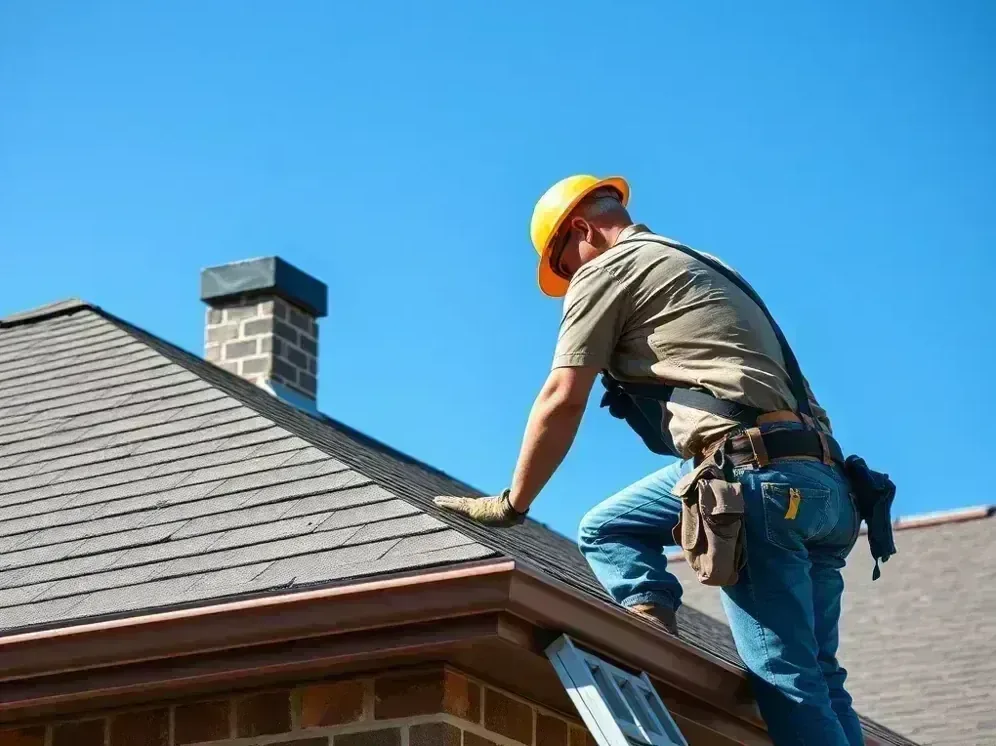
- Protection day: we set ladders and scaffold, anchor a safety harness at the ridge, and tarp your siding and shrub beds.
- Tear-off: pry bars and roofing shovels pull the old felt, tar paper, and blistered cover down to the substrate.
- Deck repair: we replace rotted plywood or OSB, refasten loose sheathing with ring-shank nails or screws, and check the purlin ends while it is open.
- Substrate prep: the deck gets swept and dried, and any needed vapor barrier goes down before the membrane is cut and laid.
- Membrane installation: we roll out EPDM, TPO, or a PVC membrane, bond it flat, and hand-seal laps with a roller and sealant instead of an open torch.
- Flashing and finish: apron flashing, step flashing, and counter-flashing get reset, then a boot flashing caps each pipe and vent.
- Ventilation and cleanup: we clear the soffit vent and ridge vent, run the air compressor and nail gun through a final check, and magnet the lawn for nails.
Free Inspection
We assess your roof with a thorough inspection and provide a detailed photo report — no cost, no obligation.
Clear Estimate
You get an itemized scope with materials, labor, and timeline. No hidden fees. We discuss insurance and financing options.
Expert Work
Licensed crews arrive on schedule, protect your property, complete the work, and clean up thoroughly.
Final Walkthrough
You inspect with us. We document everything with before/after photos. Warranty registered and paperwork delivered.
Signs You Need Rubber Roofing
Signs Your Flat Roof Needs Rubber Roofing
- Water ponds in one low spot for days after a thunderstorm instead of draining to the scupper or gutter.
- The membrane feels spongy underfoot or has blistered, peeled, and pulled away from the decking.
- A dark stain spreads across a ceiling below the rooftop, usually near a chimney, pipe flashing, or vent boot.
- Seams have opened where the rubber was lapped, and the old mastic or roof cement has dried out and cracked.
- Granule loss on the nearby asphalt shingle slopes shows the same storm already worked the roof over.
- Ice dam formation at the eave each winter pushes meltwater back under the membrane and into the insulation.
- Your July cooling bill climbs because a black surface keeps baking the attic with no reflective coating.
- A roofer or roofing contractor finds wet insulation or sagging between the joists after a Nor'easter.
Rubber Roofing — Frequently Asked Questions
How much does rubber roofing cost in South Brunswick?
Rubber roofing cost moves with square footage, how much decking we replace, and whether the flashing detail is simple. A flat section under 500 square feet with sound sheathing prices lower than a full tear-off over rotted plywood. We quote line by line so the membrane, labor, and disposal show separately.
How long does an EPDM rubber roof last?
A properly installed EPDM membrane holds up for decades when the seams are sealed and the decking stays dry. Hot humid summers and the winter ice dam cycle do the aging here, so a reflective coating and clean gutters stretch its life. We tell you honestly when a repair beats a replacement.
Will my insurance cover rubber roofing after storm damage?
Storm damage and hail damage claims depend on your policy and the storm date on record. We document the roof inspection with photos, meet the adjuster on site, and help with the supplemental claim paperwork. Your carrier decides coverage, not us.
How long does the work take?
Most flat rubber roofing jobs run one to three days once materials are on site. Wet winter weather pushes the schedule, because the membrane needs a dry substrate. We tell you the plan before we start and call you if anything changes.
Do you install rubber over an existing roof?
Sometimes. If the old cover is still tight and the framing can carry the load, we recover it with a separator sheet. If the decking is soft or the flashing has failed, a tear-off is the honest answer.
Can you fix a leak instead of replacing the whole roof?
Often yes. A pipe boot, chimney flashing, or an open seam can be repaired and recoated for a fraction of replacement cost. We will not sell you a new membrane your roof does not need.
Don't just take our word for it — hear from our satisfied customers.
Our garage roof in Kendall Park ponded water for two winters. The crew stripped it to the decking, showed me the soft plywood, and laid EPDM in a day. Two thunderstorms later, still dry. Dana R.
We got three quotes for the flat roof over our Monmouth Junction addition. South Brunswick Roofing Pros was the only crew that climbed up and photographed the flashing. Honest about what did not need replacing. Mark T.
They recovered our Dayton porch roof and recoated it white. The attic stays cooler in July, and they swept the driveway for nails before they left. Priya S.
Ready to get started? Call us today at 7323841596 for a free estimate.
Free estimates · Licensed & Insured certified · up to 50-year warranty
Call 7323841596